They are often star-forming regions.
Stars form when gas, dust, and other materials out in space begin to gather together, forming larger and denser masses, which collect until there are huge clumps of dust and gas. The clumps are called protostars, and as gravity acts on the material, compressing it further, it heats up to over 10,000,000 degrees Kelvin. That is the point were hydrogen fusion can begin.
Hence, a star.
There are two sources of nebulae: exploding stars and material from the original formation of the universe.

(Rosette Nebula SOURCE)
There are also five major types. Emission, Reflection, Dark, Planetary, and Supernovae Remnants. (One thing I love about astrophysics--they keep the names in plain English.)
Emission:

(Orion Nebula SOURCE)
Reflection:
(NGC 1977 SOURCE)
Dark:
(Keyhole Nebula SOURCE)
Planetary:
(NGC 2818 SOURCE)
Supernovae remnants:

(Crab Nebula SOURCE)
And some more pictures:

(SOURCE)
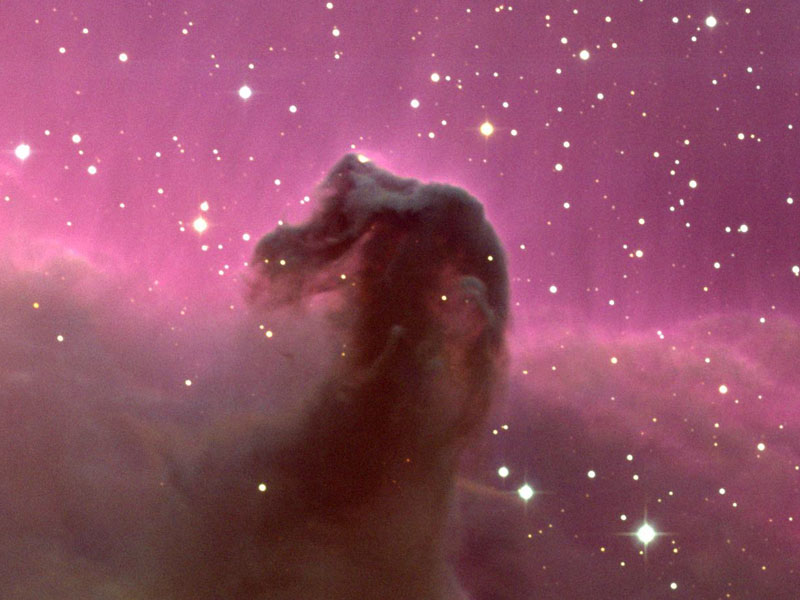
(SOURCE)
*****
Sources:
*****
Have you ever seen a nebula? (As in, not just a picture but through a telescope or with your own eyes?)
-----The Golden Eagle

